
What Is Hormone Replacement Therapy? A Simple Guide for Women in Midlife
If you are waking up drenched in sweat, struggling with sleep, feeling unusually irritable, or wondering why your body suddenly feels different, hormones may be part of the story. Perimenopause and menopause are normal life stages, but that does not mean you have to "just deal with" symptoms that affect your quality of life.
Hormone replacement therapy, often called HRT or menopausal hormone therapy, is one option that can help many women feel more like themselves again.
What is hormone replacement therapy?
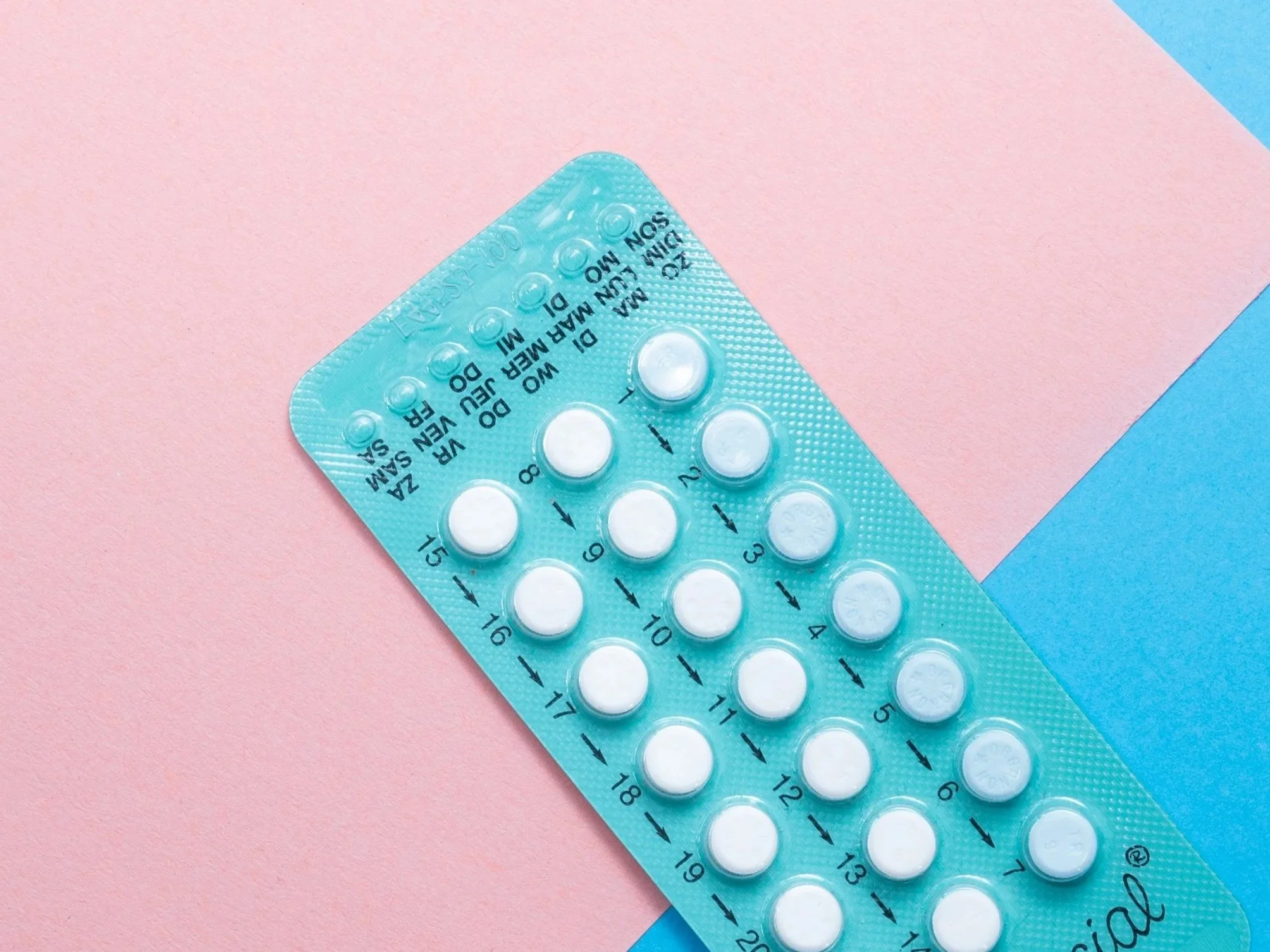
Hormone replacement therapy is a prescription treatment that uses hormones - most commonly estrogen, progesterone, or a combination - to support the body as natural hormone levels shift during perimenopause and menopause.
Estrogen levels can fluctuate for years before menopause and then decline after menopause. For some women, that change brings mild symptoms. For others, it can cause hot flashes, night sweats, sleep problems, vaginal dryness, painful sex, urinary symptoms, mood changes, brain fog, joint aches, and changes in overall well-being.
HRT is not about trying to make your body "young" again. It is about replacing or supporting hormones in a thoughtful way to help reduce symptoms, protect comfort, and improve daily function.
What symptoms can HRT help?
Hormone therapy is best known for helping with hot flashes and night sweats. These are called vasomotor symptoms, and they can be disruptive - especially when they interfere with sleep.
HRT may also help with:
Sleep disruption related to night sweats
Vaginal dryness or irritation
Pain with sex
Recurrent urinary discomfort related to menopause changes
Mood changes for some women
Brain fog related to poor sleep and hormonal fluctuation
Bone health support in appropriate patients
The FDA has approved multiple hormone therapy options for moderate-to-severe hot flashes, vaginal dryness and discomfort, and prevention of bone loss in certain postmenopausal women. That does not mean HRT is right for everyone, but it does mean women deserve accurate information and a personalized discussion.
What types of HRT are available?
There are two main categories: systemic hormone therapy and local vaginal therapy.
Systemic hormone therapy travels through the bloodstream and can treat whole-body symptoms such as hot flashes, night sweats, and sleep disruption. It may come as a patch, pill, gel, spray, or ring.
Local vaginal therapy is used mainly for vaginal and urinary symptoms. It may come as a vaginal cream, tablet, insert, or ring. Because it is focused on the vaginal tissues, it usually involves much lower systemic absorption than whole-body therapy.
If you still have your uterus, estrogen is usually prescribed with progesterone or a progestin to protect the uterine lining. If you have had a hysterectomy, estrogen alone may be an option. This is one reason your personal medical history matters so much.
Is hormone replacement therapy safe?
This is the question many women are afraid to ask - and it is one of the most important ones.
The answer is not a simple yes or no. Safety depends on the person. Your age, how long it has been since menopause, personal and family medical history, whether you have a uterus, your risk for blood clots or stroke, and the type of hormone therapy all matter.
The Menopause Society states that for most healthy, symptomatic women who are younger than 60 or within 10 years of menopause onset, the benefits of hormone therapy generally outweigh the risks. Risk may be different for women who start later, have a history of certain cancers, unexplained vaginal bleeding, blood clots, stroke, heart attack, liver disease, or other medical concerns.
This is why HRT should not be one-size-fits-all. The goal is the right patient, the right dose, the right route, and ongoing follow-up.
What about bioidentical hormones?
You may hear the word "bioidentical" used in many different ways. Some FDA-approved hormone therapy products contain hormones that are chemically identical to hormones the body naturally makes, such as estradiol and micronized progesterone.
However, compounded "bioidentical" hormones are different. The FDA has stated that it does not have evidence that compounded bioidentical hormone products are safer or more effective than FDA-approved hormone therapy. Compounded products may have a role in select situations, but they should not be marketed as automatically safer.
We will cover this more fully in our next blog on bioidentical versus synthetic hormones.
A better menopause conversation
Books and educators such as Estrogen Matters and Dr. Mary Claire Haver, MD, have helped bring renewed attention to the importance of understanding the data around estrogen, menopause, and long-term health. Many women were told for years that hormone therapy was always dangerous. Today, the conversation is more nuanced: HRT is not for everyone, but for many women it can be life-changing when prescribed thoughtfully.
At Arcadia Women's Wellness, Julia Cyr, DNP, and Kristina Calligan, FNP, are both Menopause Society Certified Practitioners (MSCPs). That means they have completed specialized certification through The Menopause Society in menopause and midlife health. Our approach is evidence-informed, individualized, and centered on helping you make confident decisions about your body.
Ready to talk about your options?
If you are dealing with hot flashes, night sweats, sleep disruption, vaginal dryness, mood changes, or other menopause symptoms, you do not have to figure it out alone. A personalized consultation can help you understand whether hormone replacement therapy is a good fit for you. You can schedule an appointment with Arcadia Women’s Wellness here.
Medical note: This article is for education only and is not a substitute for medical advice. Hormone therapy should be discussed with a qualified healthcare professional who knows your medical history.
Sources
The Menopause Society - Hormone Therapy patient resource: https://menopause.org/patient-education/menopause-topics/hormone-therapy
The Menopause Society - MSCP certification information: https://menopause.org/professional-resources/mscp-certification
The Menopause Society - About MSCP credential: https://menopause.org/about-us
FDA - Menopause and hormone therapy: https://www.fda.gov/consumers/womens-health-topics/menopause
FDA - 2026 labeling changes for menopausal hormone therapy products: https://www.fda.gov/news-events/press-announcements/fda-approves-labeling-changes-menopausal-hormone-therapy-products
ACOG - Hormone Therapy for Menopause: https://www.acog.org/womens-health/faqs/hormone-therapy-for-menopause
Estrogen Matters - About the Book: https://estrogenmatters.com/About-the-Book-1
Dr. Mary Claire Haver - The ABCs of Hormone Therapy: https://thepauselife.com/blogs/the-pause-blog/the-abcs-of-hormone-therapy