
What Types of Birth Control Are There? A Patient-Friendly Guide to Your Options
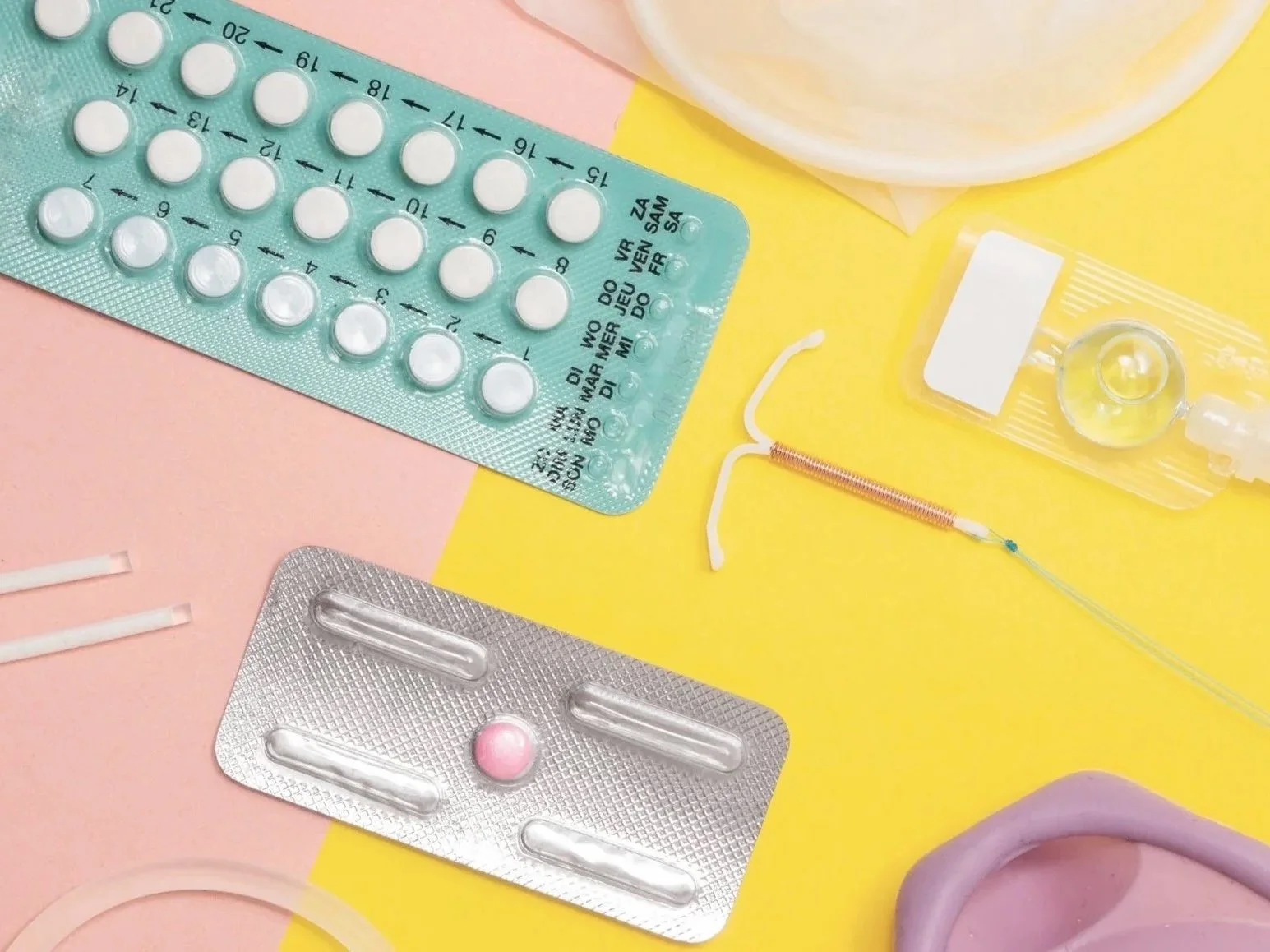
Choosing birth control can feel overwhelming because there are more options than many people realize. The “best” method is not the same for everyone. The right fit depends on your health history, period symptoms, comfort with hormones, future pregnancy goals, privacy, insurance, and how much day-to-day maintenance feels realistic.
At Arcadia Women’s Wellness, counseling is not just about preventing pregnancy. It is also about how each option may affect bleeding, cramps, acne, mood, migraines, endometriosis, PCOS/ PMOS, sexual health, and quality of life.
How to compare your options
Before choosing a method, it helps to think through a few questions: Do you want something you can forget about for years? Do you prefer a hormone-free option? Are you hoping for lighter periods? Do you need protection from sexually transmitted infections? Do you have migraines with aura, high blood pressure, a history of blood clots, or another condition that may make estrogen-containing birth control less safe?
These answers help guide the conversation. Many methods are safe for most patients, but medical history matters.
Long-acting reversible contraception: IUDs and the implant
Long-acting reversible contraception, often called LARC, includes IUDs and the arm implant. These methods are highly effective because they do not require remembering a daily pill or using something every time you have sex.
Hormonal IUDs are small devices placed inside the uterus that release a small amount of progestin. Depending on the device, they can last several years. Many patients choose a hormonal IUD because it may make periods lighter, shorter, or sometimes absent. It can be a strong option for heavy bleeding or painful periods.
The copper IUD is hormone-free and can last up to 10 years. It may be a good choice for someone who wants highly effective contraception without hormones. The tradeoff is that copper IUDs can make periods heavier or crampier, especially in the first months after placement.
The birth control implant is a small progestin-releasing rod placed under the skin of the upper arm. It lasts for up to three years and is one of the most effective reversible methods. The most common downside is unpredictable bleeding, which may be light, frequent, prolonged, or absent.
Short-acting hormonal options: pill, patch, ring and shot
Short-acting hormonal methods are effective, but they require more routine use.
Combined birth control pills contain estrogen and progestin. They are taken daily and may help regulate periods, reduce cramps, improve acne, and make bleeding more predictable. They are not the best option for everyone, especially patients with certain migraine patterns, clotting risks, uncontrolled high blood pressure, or tobacco use over age 35.
Progestin-only pills do not contain estrogen. They may be an option for patients who should avoid estrogen or who prefer an estrogen-free method. The timing of the pill matters, and some must be taken at the same time every day. Opill, a norgestrel progestin-only pill, is now available without a prescription in the United States.
The patch contains estrogen and progestin and is changed weekly. The vaginal ring also contains estrogen and progestin and is placed in the vagina for several weeks, depending on the product and schedule. Both can be convenient for patients who do not want a daily pill.
The birth control shot is a progestin injection given every three months. It may reduce bleeding and cramps over time. Some patients experience irregular bleeding, weight changes, mood changes, or a delay in return to fertility after stopping. Long-term use should include a discussion about bone health.
Barrier and nonhormonal methods
Barrier methods work by keeping sperm from reaching an egg. External condoms and internal condoms are especially important because they can help reduce the risk of sexually transmitted infections, including HIV. Most other birth control methods do not protect against STIs, so condoms can be used with another method for added protection.
Other barrier options include diaphragms, cervical caps, spermicide, vaginal pH modulators, and contraceptive sponges. These methods are used around the time of sex and are generally less effective than IUDs, implants, or hormonal methods, but they may be a good fit for some patients.
Fertility awareness, withdrawal and breastfeeding
Fertility awareness-based methods involve tracking cycle patterns, cervical mucus, basal body temperature, or fertile-window timing. These methods require education, consistency, and a willingness to avoid sex or use a barrier method on fertile days. They can be harder to use if cycles are irregular, which is common with PCOS/ PMOS, perimenopause, postpartum changes, and stress.
Withdrawal is commonly used but has a higher failure rate than many other methods. Breastfeeding can temporarily reduce fertility only when very specific criteria are met: no periods have returned, breastfeeding is exclusive or nearly exclusive, and it has been less than six months since delivery.
Emergency contraception
Emergency contraception can be used after unprotected sex, missed pills, or condom breakage. Options include emergency contraceptive pills and, in some cases, placement of a copper IUD within five days. It is not intended as routine birth control, but it is important to use it as soon as possible when needed.
Permanent contraception
Permanent options include tubal surgery for the person with fallopian tubes or vasectomy for a male partner. These methods are intended to be lifelong and should be chosen only after careful counseling. They do not protect against STIs.
So, which option is right for you?
There is no single “right” birth control method. A great method is one that is medically appropriate, effective enough for your goals, tolerable for your body, and realistic for your life. Some patients prioritize lighter periods. Some want to avoid hormones. Some want the most effective reversible option. Some want cycle control, acne benefits, privacy, or protection from heavy bleeding.
At Arcadia Women’s Wellness, we help patients compare options in a clear, personalized way. We review health history, bleeding patterns, pregnancy goals, medications, risk factors, and preferences. For patients interested in an IUD, we also discuss comfort measures and pain-management options.
You deserve birth control counseling that is not rushed, judgmental, or one-size-fits-all. The goal is not just to prescribe a method. The goal is to help you understand your choices and feel confident in the plan you choose.
Ready to talk through your birth control options? Schedule a visit here with Arcadia Women’s Wellness for personalized counseling based on your symptoms, goals, and medical history. For more clear women’s health education, browse the Arcadia Women’s Health Library.
Medical disclaimer: This article is for education only and does not replace individualized medical advice.
Sources:
CDC: Contraception and Birth Control Methods: https://www.cdc.gov/contraception/about/index.html
CDC: U.S. Medical Eligibility Criteria for Contraceptive Use, 2024: https://www.cdc.gov/mmwr/volumes/73/rr/rr7304a1.htm
CDC: U.S. Selected Practice Recommendations for Contraceptive Use, 2024: https://www.cdc.gov/mmwr/volumes/73/rr/rr7303a1.htm
CDC: Emergency Contraception: https://www.cdc.gov/contraception/hcp/usspr/emergency-contraception.html
FDA: Opill 0.075mg Oral Norgestrel Tablet Information: https://www.fda.gov/drugs/postmarket-drug-safety-information-patients-and-providers/opill-0075mg-oral-norgestrel-tablet-information
Office on Women’s Health: Birth Control Methods: https://womenshealth.gov/a-z-topics/birth-control-methods