
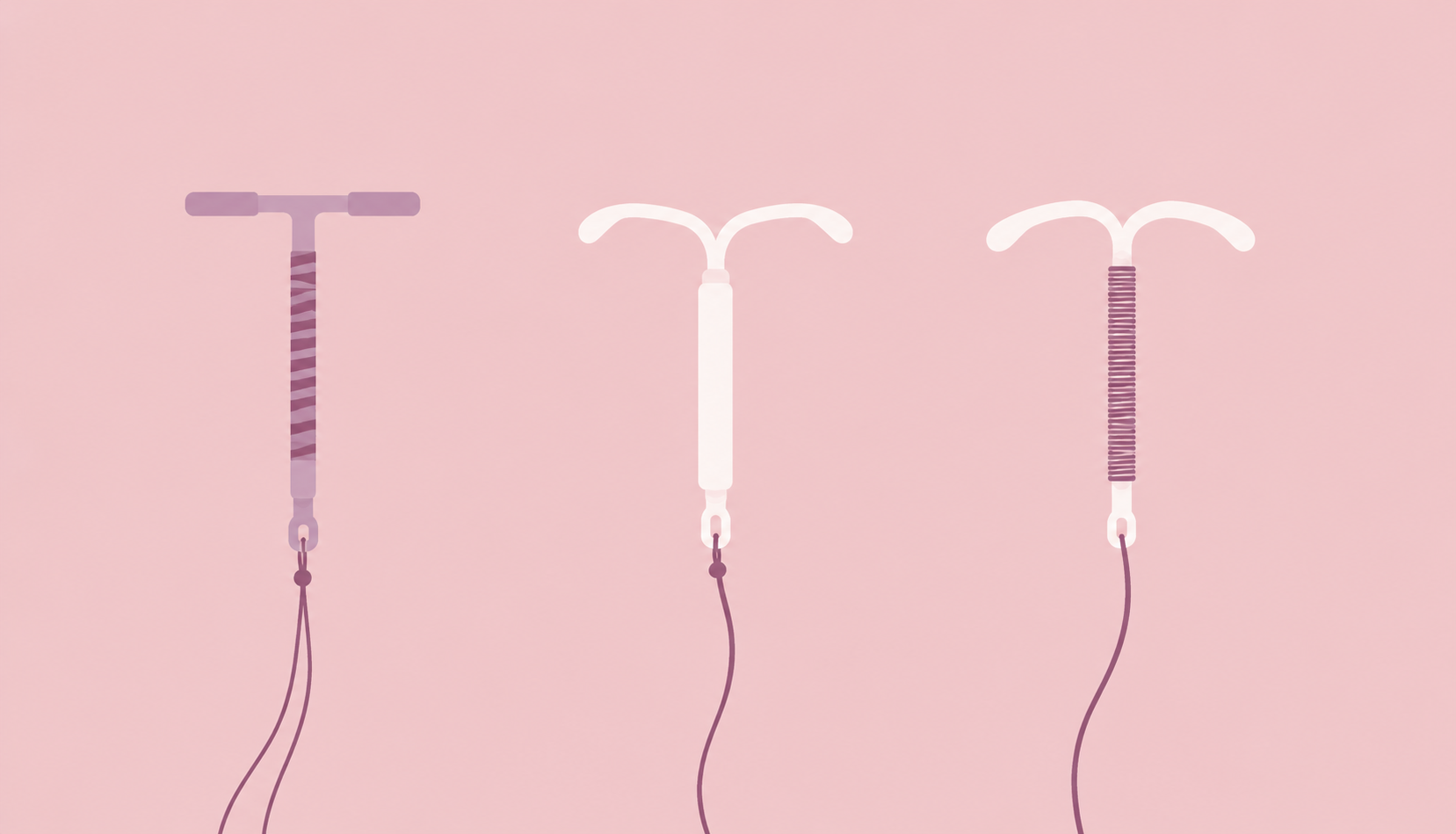
IUDs are one of the most effective forms of birth control available, and they can also be used for menstrual concerns such as heavy bleeding, painful periods, or cycle control depending on the type of IUD. But for many patients, the biggest question is not whether an IUD works. It is: “How much is this going to hurt?”
That question deserves an honest answer.
IUD placement can feel different for everyone. Some people feel only brief pressure or cramping. Others experience moderate or significant pain. Pain can be affected by anatomy, prior vaginal births, cervical sensitivity, anxiety, past medical trauma, endometriosis, pelvic floor tension, previous painful procedures, or a prior difficult IUD insertion. At Arcadia Women’s Wellness, we believe pain should be discussed before the procedure, not after you are already uncomfortable.
What happens during IUD placement?
During an IUD insertion, a speculum is placed in the vagina so the cervix can be seen. The cervix is cleaned, and the provider may use an instrument to gently stabilize it. The uterus is measured, and then the IUD is passed through the cervix into the uterus. The placement itself is usually quick, but the moments when the cervix is held, the uterus is measured, and the IUD is inserted can cause cramping or sharp discomfort.
The good news is that there are ways to make the process more comfortable. Julia’s favorite pain relief strategies for the IUD are as follows…
Option 1: A pre-procedure pain plan
The first step is simply talking about it. You should be able to tell your provider if you have had a painful IUD placement before, if pelvic exams are difficult for you, if you have a history of trauma, or if anxiety makes procedures harder. A thoughtful plan may include extra time, a smaller speculum, clear step-by-step communication, permission to pause, breathing support, and avoiding surprises.
You do not have to “tough it out.” A calm, consent-based approach can make a major difference. Option 2: Over-the-counter medication
Ibuprofen, naproxen, or acetaminophen may be recommended before or after placement depending on your medical history. These medications may not fully prevent insertion pain, but they can help with cramping afterward. Patients with kidney disease, stomach ulcers, blood thinner use, certain medical conditions, or medication allergies should ask before taking NSAIDs.
Option 3: Topical numbing medication
Topical lidocaine or lidocaine-prilocaine cream may be applied to the cervix before the procedure. These medications are designed to numb the surface tissue and may reduce discomfort from the speculum, cervical touch, or instrument placement. Topical anesthetic does not always block deeper uterine cramping, but it can be helpful for some patients.
Option 4: Paracervical block
A paracervical block is an injection of numbing medication around the cervix. It is similar in concept to using local anesthesia before a dental procedure. The injection itself can sting or burn briefly, but it may reduce pain during the more uncomfortable parts of IUD placement, especially cervical manipulation and insertion.
This option can be especially helpful for patients with a prior painful insertion, significant anxiety about pain, no prior vaginal deliveries, cervical stenosis, or a history of difficult office procedures. It is not required for everyone, but it should be part of the conversation.
Option 5: Anxiety support and trauma-informed care
Pain and anxiety are closely connected. When the body is tense, pelvic floor muscles may tighten, and procedures can feel more intense. Some patients benefit from bringing a support person, using headphones or music, practicing breathing techniques, or scheduling extra time.
In select cases, anti-anxiety medication may be considered before the appointment. This usually requires planning ahead, signing consent before taking the medication, and having someone drive you home. Not every patient needs this, but it can be appropriate when anxiety is a major barrier to care.
Option 6: Cervical preparation in select cases
Misoprostol is a medication that can soften or open the cervix. In the past, it was sometimes used routinely before IUD placement, but newer guidance does not recommend routine use for every patient because it does not consistently reduce pain and can cause cramping, nausea, diarrhea, or abdominal discomfort.
That said, misoprostol may still have a role in specific situations, such as a recent failed IUD placement, known cervical stenosis, or certain complex insertions. This decision should be individualized.
Option 7: Ultrasound guidance or a different setting
Some IUD placements are more complex because of uterine position, fibroids, prior surgery, cervical stenosis, or a previous failed attempt. In those situations, ultrasound guidance, a different device, additional cervical preparation, or referral for a procedure with deeper sedation may be considered.
The goal is not simply to place the IUD. The goal is to do it safely, respectfully, and with a pain plan that fits the patient.
After IUD placement
Cramping and spotting are common after insertion. A heating pad, rest, hydration, and approved pain relievers can help. You should contact your provider if you have severe worsening pain, heavy bleeding, fever, foul smelling discharge, dizziness, or concern that the IUD has moved.
At Arcadia Women’s Wellness, we want patients to feel informed before they walk into the room. If you are considering an IUD, we will discuss the benefits, risks, alternatives, and pain management options so you can choose a plan that feels right for you. No one earns extra credit for suffering through a procedure. Your comfort matters, and your care should reflect that. You can schedule an appointment with Arcadia Women’s Wellness here.
Want more clear, practical women’s health education? Sign up below for weekly guidance on hormones, periods, birth control, menopause, sexual health, and personalized wellness.
Medical disclaimer: This article is for education only and does not replace individualized medical advice.
Sources:
ACOG Clinical Consensus: Pain Management for In-Office Uterine and Cervical Procedures
ACOG News Release on Pain Management for IUD Insertions
CDC U.S. Selected Practice Recommendations for Contraceptive Use, 2024