
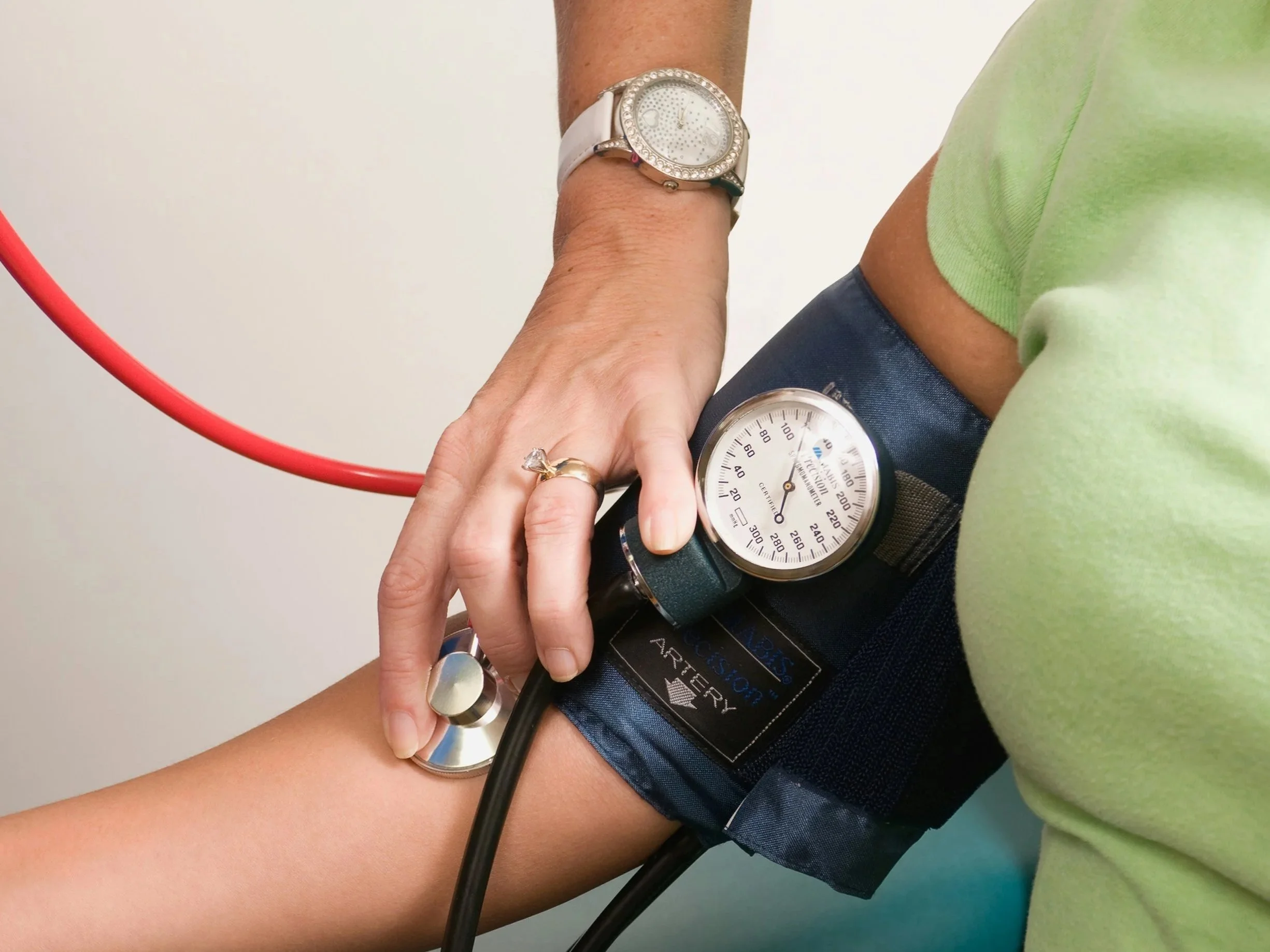
Heart disease is the leading cause of death among women, but risk does not start on the day symptoms appear. It often builds quietly over years through blood pressure, cholesterol, blood sugar, inflammation, sleep, stress, pregnancy history, menopause, family history, and lifestyle patterns. The goal of screening is not to scare you. It is to give you information early enough to make a plan.
Heart health is women’s health. For many women, the annual well-care or gynecology visit is one of the few consistent times each year when someone checks blood pressure, reviews symptoms, talks about hormones, and asks about family history. That makes it an important opportunity to identify cardiovascular risk early, before a heart attack, stroke, or heart failure diagnosis.
Why women need a more complete risk conversation
Traditional heart screening focuses on blood pressure, cholesterol, diabetes, smoking, and body weight. Those are essential, but they do not tell the whole story for women. Pregnancy complications, early menopause, autoimmune disease, inflammatory conditions, PCOS/PMOS, endometriosis, anxiety and depression, and certain cancer treatments can all add important context.
This is why a good heart health conversation should include more than “your cholesterol is fine.” It should include your personal health history, reproductive history, family history, symptoms, medications, sleep, activity level, nutrition, and whether your numbers are changing over time.
The core screening tools
Most women do not need every advanced heart test. The most important tools are often the basics, done consistently and interpreted in context.
Blood pressure
What it tells us: How hard blood is pushing against artery walls.
Why it matters: High blood pressure often has no symptoms but is a major risk factor for heart disease and stroke.
Lipid panel
What it tells us: Total cholesterol, LDL, HDL, and triglycerides.
Why it matters: LDL and triglycerides help estimate plaque risk; HDL is only one piece of the picture.
Blood sugar/A1c
What it tells us: Glucose control and diabetes or prediabetes risk.
Why it matters: Insulin resistance and diabetes significantly increase cardiovascular risk.
Weight, BMI, waist circumference
What it tells us: Body size and central adiposity trends.
Why it matters: Waist circumference can add cardiometabolic risk information beyond weight alone.
Lifestyle screen
What it tells us: Nicotine, movement, nutrition, sleep, alcohol, and stress.
Why it matters: Daily habits strongly influence blood pressure, glucose, lipids, inflammation, and recovery.
Family and reproductive history
What it tells us: Inherited risk plus pregnancy, menopause, and hormone-related history.
Why it matters: These details can reveal risk that a standard calculator may miss.
Blood pressure is one of the highest-yield screenings because it is simple and powerful. If your reading is elevated in the office, home or ambulatory blood pressure monitoring may help confirm whether it is truly high, only high in the office, or being missed outside the office.
A lipid panel is also important. It includes LDL cholesterol, HDL cholesterol, triglycerides, and total cholesterol. Many patients are told their cholesterol is “normal,” but prevention decisions often depend on the full pattern, age, blood pressure, diabetes status, smoking/nicotine use, family history, and other risk-enhancing factors.
Blood sugar screening matters because prediabetes and diabetes are cardiovascular risk issues, not only glucose issues. Depending on age, weight, symptoms, pregnancy history, PCOS/PMOS, family history, and other risk factors, testing may include fasting glucose, hemoglobin A1c, or additional metabolic labs.
Risk calculators: helpful, but not perfect
A cardiovascular risk calculator estimates the chance of a future heart-related event using information such as age, cholesterol, blood pressure, diabetes, smoking status, and sometimes kidney or metabolic markers. Newer tools, including the American Heart Association PREVENT calculator, can estimate 10-year and 30-year risk for cardiovascular disease, atherosclerotic cardiovascular disease, and heart failure.
Risk calculators are useful, but they are not the whole answer. In women, risk may be underestimated if the conversation does not include pregnancy complications, early menopause, inflammatory disease, autoimmune disease, higher-risk ancestry, family history, and metabolic hormone conditions.
Advanced tools that may matter in selected patients
Some patients benefit from additional testing when their risk is unclear or when family history is concerning. Lipoprotein(a), often called Lp(a), is a genetically influenced cholesterol-related particle that may increase cardiovascular risk even when standard cholesterol results look acceptable. Many guidelines now support measuring Lp(a) at least once in adulthood, especially when there is a family history of premature heart disease or stroke.
ApoB is another blood marker that can help estimate the number of cholesterol-carrying particles that may contribute to plaque formation. It may be especially helpful when triglycerides are elevated, LDL does not tell the whole story, or metabolic risk is present. High-sensitivity C-reactive protein, or hs-CRP, is a marker of inflammation that may help refine risk in selected patients, though it is not a stand-alone diagnosis.
A coronary artery calcium score, or CAC score, is a low-dose CT scan that looks for calcified plaque in the coronary arteries. It is not a routine test for every woman and it is not the right test for active chest pain. But for some women with borderline or intermediate risk, especially when the decision about cholesterol medication is unclear, it can help guide the conversation.
What about EKGs, stress tests, and echocardiograms?
EKGs, stress tests, echocardiograms, and cardiac CT angiography can be important when symptoms, exam findings, personal history, or risk profile suggest a need for deeper evaluation. They are not automatically better screening tests for everyone. The best test depends on the question being asked: rhythm, valve function, heart muscle function, blocked arteries, exercise symptoms, or unexplained shortness of breath.
Symptoms women should not ignore
Screening is for prevention. Symptoms need a different level of attention. Seek urgent care or call 911 for chest pressure, pain spreading to the arm, back, neck, jaw, or stomach, shortness of breath, cold sweat, nausea, lightheadedness, fainting, sudden extreme fatigue, new palpitations with symptoms, or swelling with shortness of breath. Women may have chest discomfort, but they may also have symptoms that are easier to dismiss as reflux, anxiety, fatigue, or “just stress.”
The Arcadia takeaway
Heart health screening should be personal. At Arcadia Women’s Wellness, we believe prevention starts with listening to the whole story: your numbers, symptoms, cycle and hormone history, pregnancy history, family history, lifestyle, and goals. When risk factors are identified, we can help you understand next steps, coordinate with primary care or cardiology when needed, and build a realistic plan for long-term health. You can schedule a visit with Arcadia Women’s Wellness here.
Want clear women’s health education in your inbox? Join the Arcadia Women’s Health Library for evidence-informed articles on hormones, menopause, heart health, cycle health, prevention, and personalized wellness.
Medical disclaimer: This article is for education only and does not replace individualized medical advice.
Sources:
American Heart Association. Heart-Health Screenings. Key screening tests include blood pressure, cholesterol, body weight/BMI, blood glucose, and discussion of smoking, physical activity, and diet. https://www.heart.org/en/health-topics/consumer-healthcare/what-is-cardiovascular-disease/heart-health-screenings
American Heart Association / Go Red for Women. Know Your Risk for Cardiovascular Disease in Women. Screening indicators include blood pressure, cholesterol, BMI, waist circumference, and blood glucose. https://www.goredforwomen.org/en/know-your-risk/risk-factors/know-your-risk-for-cardiovascular-disease
American Heart Association. Life’s Essential 8 and Life’s Essential 8 for Women. Notes that pregnancy, motherhood, and menopause can increase heart disease and stroke risk. https://www.heart.org/en/healthy-living/healthy-lifestyle/lifes-essential-8
American Heart Association Newsroom. Heart disease risk factors in women highlight need for increased awareness, prevention. Discusses pregnancy complications, premature menopause, inflammatory/autoimmune conditions, depression/anxiety, and cancer therapies as women-specific or predominant risk factors. https://newsroom.heart.org/news/heart-disease-risk-factors-in-women-highlight-need-for-increased-awareness-prevention
ACC/AHA PREVENT risk model / CVD Risk Estimator Plus. PREVENT estimates 10- and 30-year risk for CVD, ASCVD, and heart failure. https://tools.acc.org/cvd-risk-estimator-plus/
ACC/AHA 2026 lipid guideline summary from American Heart Association Newsroom. Discusses risk enhancers, Lp(a), apoB, hsCRP, triglycerides, and selective use of CAC scoring. https://newsroom.heart.org/news/accaha-issue-updated-guideline-for-managing-lipids-cholesterol
USPSTF. Hypertension in Adults: Screening. Recommends screening adults 18 years or older with office blood pressure measurement and out-of-office confirmation before treatment when appropriate. https://www.uspreventiveservicestaskforce.org/uspstf/recommendation/hypertension-in-adults-screening
USPSTF. Prediabetes and Type 2 Diabetes: Screening. Recommends screening adults ages 35 to 70 with overweight or obesity. https://www.uspreventiveservicestaskforce.org/uspstf/recommendation/screening-for-prediabetes-and-type-2-diabetes
CDC. About Women and Heart Disease. Lists symptoms that should prompt calling 911, including chest discomfort, upper back/neck pain, indigestion, nausea/vomiting, extreme fatigue, dizziness, and shortness of breath. https://www.cdc.gov/heart-disease/about/women-and-heart-disease.html