
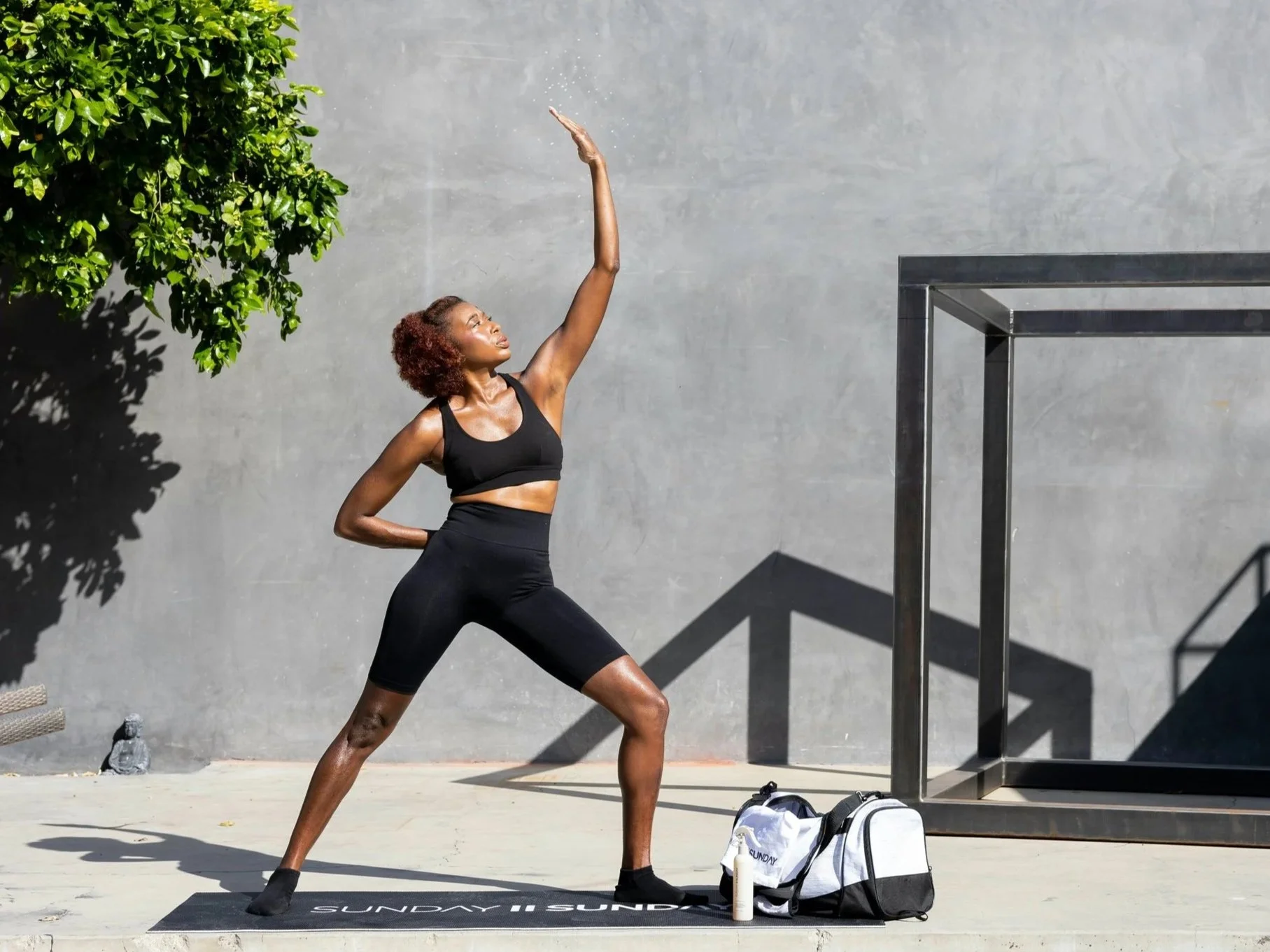
Cycle-aware exercise is having a moment. You may have seen posts telling you to lift heavy during one phase, rest during another, avoid hard workouts before your period, or “sync” everything in your life to your hormones. The idea can be helpful, but it can also become another set of rules women feel pressured to follow.
At Arcadia Women’s Wellness, we think about cycle tracking differently. Your cycle can give you useful information about energy, mood, sleep, pain, appetite, bleeding, and recovery. But it should not be used to make you feel limited. The goal is not to train perfectly according to a calendar. The goal is to understand your body well enough to adjust when you need to.
First: your cycle is information
A menstrual cycle is more than a period. It reflects communication between the brain, ovaries, uterus, metabolism, stress system, and overall health. That is why cycle changes can sometimes be one of the first signs that something is off, including under-fueling, overtraining, thyroid changes, PCOS/PMOS, perimenopause, pregnancy, high stress, or other gynecologic concerns.
If you track your workouts alongside your cycle, you may notice patterns: more energy after your period, more cramps on day one, more fatigue before bleeding starts, or more sleep disruption in the second half of the cycle. Those patterns can help you plan, but they do not have to control you.
The four phases and how movement may feel
Every body is different, and not every cycle follows a textbook pattern. Hormonal contraception, perimenopause, breastfeeding, PCOS/PMOS, endometriosis, stress, illness, and travel can all change what you notice. Still, many people find it helpful to think in four general phases.
Menstrual Phase
What may happen: Bleeding starts. Cramps, fatigue, headaches, or lower energy may show up.
Movement focus: Gentle movement, walking, mobility, light strength, or normal training if you feel good.
Follicular Phase
What may happen: Estrogen often rises after bleeding. Some people notice better energy and motivation.
Movement focus: Good time for progressive strength, intervals, new workouts, or slightly harder training.
Ovulation window
What may happen: Some people feel strong and social; others notice bloating, mild pain, or discharge changes.
Movement focus: Push if you feel good, but warm up well and pay attention to discomfort or injury signals.
Luteal phase
What may happen: Progesterone rises. Body temperature, PMS symptoms, cravings, breast tenderness, and fatigue may increase.
Movement focus: Prioritize recovery, hydration, sleep, steady cardio, strength maintenance, and flexibility.
When to push
A “push” day does not always mean a brutal workout. It may mean lifting a little heavier, adding a few intervals, increasing distance, trying a new class, or focusing on speed, agility, or power. Many women feel most ready for this in the follicular phase, after bleeding has slowed and energy begins to return. Some also feel great near ovulation.
If you feel strong, slept well, are fueling enough, and are not dealing with significant pain or heavy bleeding, there is usually no reason to avoid exercise simply because of your cycle phase. Research does not support one universal workout prescription for all women based only on cycle day. Your lived pattern matters more than a generic chart.
When to recover
Recovery is not laziness. Recovery is training. It helps your muscles, hormones, nervous system, and joints adapt. You may need more recovery during the first day or two of your period, during intense PMS symptoms, after poor sleep, during perimenopausal cycle changes, or when cramps, migraines, pelvic pain, or heavy bleeding interfere with your normal function.
On lower-energy days, consider walking, stretching, Pilates, yoga, gentle cycling, light resistance training, or simply reducing intensity. If you planned a hard workout and your body is clearly saying no, changing the plan is not failure. It is intelligent training.
What to track
To use your cycle as a guide, track more than the start date of your period. Consider noting your flow, pain level, mood, sleep, energy, appetite, headaches, bowel symptoms, pelvic pain, libido, workouts, soreness, and performance. After two to three cycles, you may see patterns that help you plan harder training days and recovery days more confidently.
For example, if you consistently have more energy the week after your period, that may be a great time to schedule heavier strength training. If you always sleep poorly right before bleeding starts, that may be a week to reduce late-night workouts, increase recovery, and focus on hydration, protein, magnesium-rich foods, and a consistent bedtime routine.
When cycle symptoms deserve evaluation
It is common to have some changes in energy or mild cramps, but your period should not repeatedly derail your life. Please schedule an evaluation if you have bleeding that soaks through a pad or tampon every hour, periods longer than seven days, severe cramps, pelvic pain outside your period, pain with sex, cycles that are very irregular, missed periods when you are not pregnant, dizziness, fatigue, or symptoms of anemia.
Painful periods, heavy bleeding, and extreme PMS symptoms may be common, but common does not mean normal. Possible causes include endometriosis, adenomyosis, fibroids, polyps, PCOS/PMOS, thyroid changes, bleeding disorders, infection, perimenopause, and other hormonal or gynecologic conditions.
The Arcadia takeaway
Exercise and cycle awareness should help you feel more connected to your body, not more controlled by it. Some weeks you may feel ready to push. Other weeks, your body may ask for more recovery. Both can be part of a healthy, consistent routine.
At Arcadia Women’s Wellness, we help patients understand their cycles, evaluate period symptoms that are affecting quality of life, and create realistic plans for movement, hormones, nutrition, recovery, and long-term wellness.
Ready to understand your cycle better? Schedule a visit with Arcadia Women’s Wellness here, or join the Arcadia Women’s Health Library for clear, evidence-informed articles on periods, hormones, movement, menopause, and whole-person wellness.
Medical disclaimer: This article is for education only and does not replace individualized medical advice.
Sources:
ACOG Committee Opinion No. 651: Menstruation in Girls and Adolescents: Using the Menstrual Cycle as a Vital Sign. Obstetrics & Gynecology. 2015;126(6):e143-e146. DOI: 10.1097/AOG.0000000000001215.
Office on Women’s Health. Menstrual Cycle. Notes that regular periods between puberty and menopause are usually a sign the body is working normally, while irregular, heavy, or painful periods are not normal.
McNulty KL, et al. The effects of menstrual cycle phase on exercise performance in eumenorrheic women: a systematic review and meta-analysis. Sports Medicine. 2020.
Colenso-Semple LM, et al. Current evidence shows no influence of women’s menstrual cycle phase on acute strength performance or adaptations to resistance exercise training. Frontiers in Sports and Active Living. 2023.
American Heart Association. Recommendations for Physical Activity in Adults. At least 150 minutes/week moderate aerobic activity or 75 minutes/week vigorous activity plus strength training at least 2 days/week.