
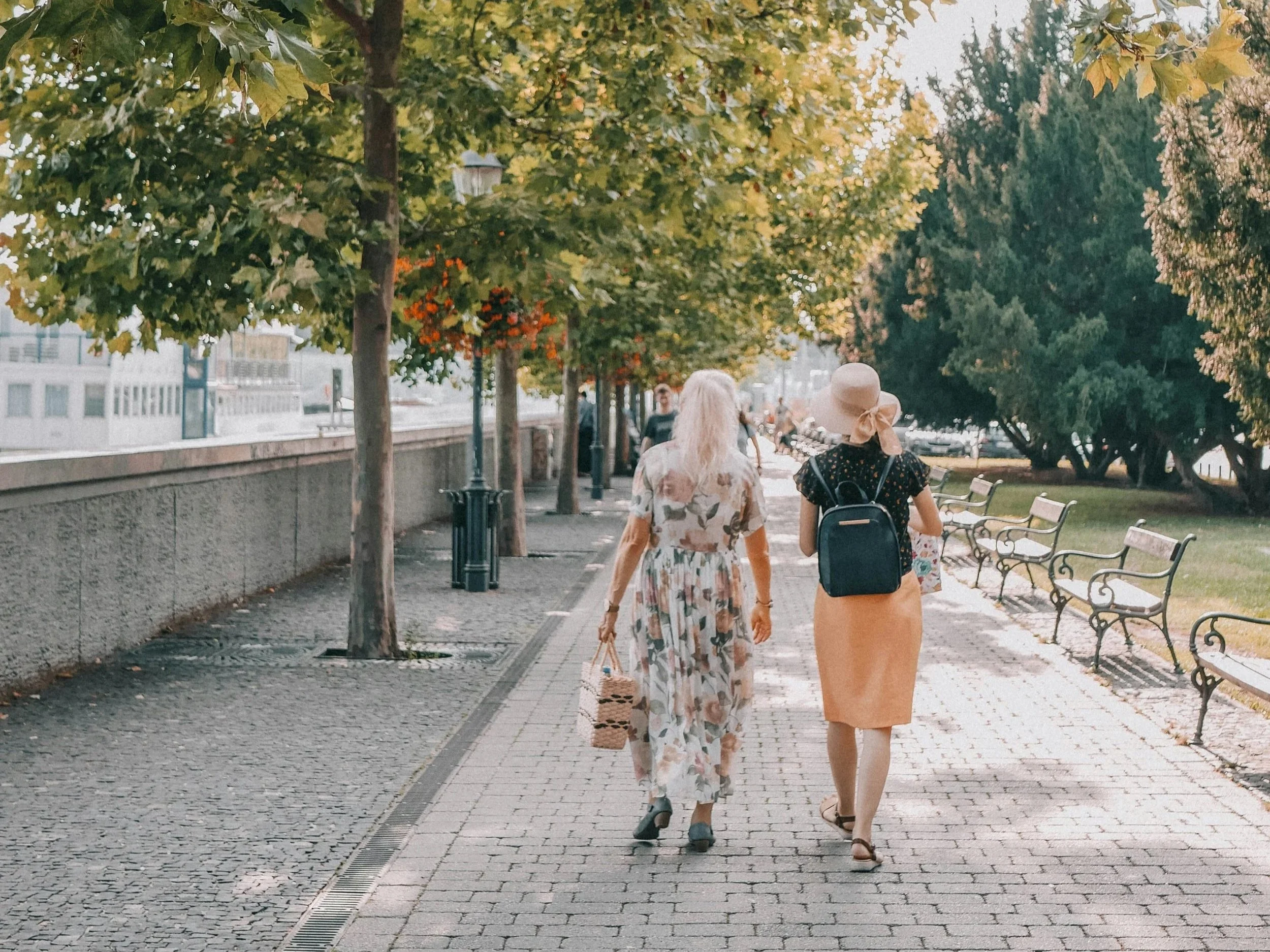
“Midlife is not meant to be managed in isolation. Women do better when they have spaces where they can move, laugh, talk honestly, and be reminded that what they are experiencing is not a personal failure — it is a season of change that deserves support,”
— Kristina Calligan, FNP.
Midlife has a way of making everything feel a little more complicated. Your sleep may change. Your body may feel different. Your period may become unpredictable. You may be juggling work, family, aging parents, teenagers, relationships, caregiving, and the emotional weight of everyone needing something from you at the same time.
And then there are the literal sweats: hot flashes, night sweats, tennis clinics in Arizona, and the kind of stress sweat that shows up when your calendar is full before the week even starts.
That is why we love the phrase: nobody sweats alone.
Why community matters in midlife
Perimenopause and menopause are often discussed as hormone transitions, but they are also life transitions. Many women are reevaluating their health, relationships, careers, identity, energy, sexuality, and priorities. Even women who are surrounded by people can feel lonely if they do not have spaces where they can be fully honest.
Social connection is not just “nice to have.” Research links stronger social connection with better physical and emotional well-being, and national health leaders have called loneliness and isolation important public health concerns. Connection can support stress resilience, healthy habits, mood, and the motivation to care for yourself. It is not a replacement for medical care, but it is part of whole-person wellness.
In real life, community does not have to look like a formal support group. It can look like texting a friend after a hard day. It can look like a standing walk, a tennis match, a monthly dinner, a group class, a book club, or learning something new together. Sometimes the best medicine starts with “same time next week?”
The Arcadia version of community
At Arcadia Women’s Wellness, Julia Cyr, DNP, and Kristina Calligan, FNP, believe women’s health care should include education, connection, and honest conversation. Outside the exam room, both Julia and Kristina value the kind of female friendships that make midlife feel less overwhelming and more fun.
For them, that includes tennis, girls’ dinner dates, and the dream of starting a Mahjong group — because sometimes wellness looks like movement, sometimes it looks like shared food, and sometimes it looks like laughing while trying to remember the rules of a game you are just learning.
That is the spirit behind nobody sweats alone. Midlife can be serious, but it does not have to be lonely. It can also be a season of rebuilding your circle, making space for joy, and choosing relationships that support the woman you are becoming.
What female community can support
A strong female community can help women feel less alone in symptoms that are often minimized: hot flashes, poor sleep, mood changes, low libido, brain fog, heavy periods, anxiety, body changes, and exhaustion. It can also make it easier to stay consistent with habits that matter, such as exercise, nutrition, sleep routines, preventive visits, and stress management.
Community also gives women permission to tell the truth. Many patients say, “I thought it was just me.” Then they talk with friends and realize that several women in their circle are navigating similar changes. That moment can be powerful. It can turn shame into curiosity, and curiosity into action.
Simple ways to build connection
Start small. You do not need to host a retreat or organize a huge event. Pick one repeatable ritual and protect it. Schedule a monthly dinner. Join a tennis clinic. Walk with a neighbor. Invite two friends for coffee. Try a new class. Start the Mahjong group before you fully know how to play.
Make it easy to say yes. Choose a consistent day or time. Keep it casual. Let people come as they are. The goal is not perfection; it is presence.
Make the conversation real. You do not have to share everything, but midlife friendships deepen when women are allowed to be honest about sleep, stress, hormones, relationships, parenting, aging, grief, ambition, and joy. Vulnerability often gives another woman permission to exhale.
When symptoms need more than community
Friendship is powerful, but symptoms still deserve medical attention when they affect your quality of life. If you are having heavy bleeding, severe pain, persistent insomnia, mood changes, painful sex, recurrent vaginal or vulvar symptoms, hot flashes that disrupt daily life, or concerns about hormones, it is appropriate to be evaluated. You should not have to normalize suffering just because other women are experiencing it too.
At Arcadia Women’s Wellness, our goal is to help women feel heard, informed, and supported — both through personalized care and through education that makes women’s health easier to understand. You can schedule an appointment with Arcadia Women’s Wellness here.
Want practical women’s health education without the internet overwhelm? Join the Arcadia Women’s Health Library for clear, evidence-informed articles on hormones, menopause, periods, sexual health, wellness, and midlife care.
Medical disclaimer: This article is for education only and does not replace individualized medical advice.
Sources:
U.S. Surgeon General / HHS - Social Connection Advisory (source)
HHS - Social Connection resources and fact cards (source)
CDC - Health Effects of Social Isolation and Loneliness (source)
National Institute on Aging - Loneliness and Social Isolation Tips for Staying Connected (source)
The Menopause Society - Patient education on perimenopause and menopause symptoms (source)